
Receta de alfajores en inglés: cómo preparar este dulce tradicional fácilmente
How to Make Traditional Alfajores: A Sweet Delight from Peru
When exploring the rich tapestry of Peruvian desserts, one cannot overlook the charm and flavor of alfajores. These delectable treats, beloved throughout Latin America, hold a special place in Peruvian culinary culture. For those curious about how to prepare these traditional alfajores in English, this guide will walk you through the process step by step, ensuring you can recreate this sweet delicacy with ease and authenticity.
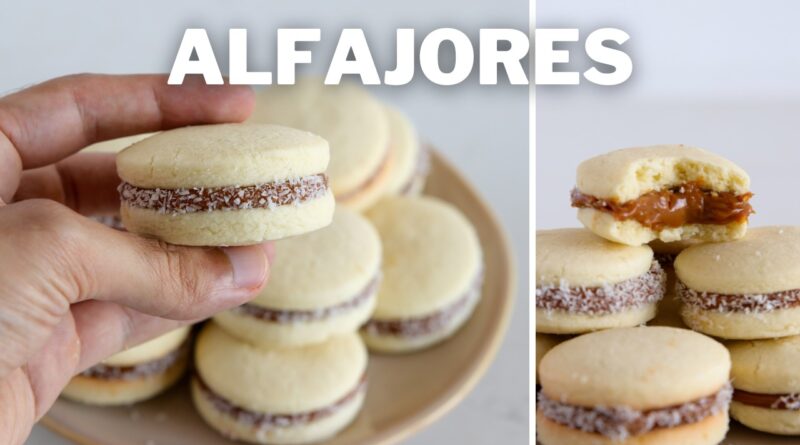
Understanding alfajores starts with appreciating their components: two soft, buttery cookies sandwiching a luscious layer of dulce de leche, often dusted with powdered sugar or coated with chocolate. The balance of textures and flavors makes them irresistible. This article will detail a comprehensive alfajores recipe in English, perfect for those wanting to bring a piece of Peruvian sweetness into their homes.
Ingredients You Will Need
Before diving into the preparation, gathering the right ingredients is crucial. The key to authentic alfajores lies in quality and freshness:
- All-purpose flour: the base of the cookie dough
- Cornstarch: provides a tender, melt-in-the-mouth texture
- Unsalted butter: for richness and flavor
- Sugar: to sweeten the dough
- Egg yolks: to bind the ingredients
- Baking powder: for slight leavening
- Vanilla extract: enhances aroma and taste
- Dulce de leche (or manjar blanco): the iconic filling
- Powdered sugar: for finishing touch
Step-by-Step Preparation of Alfajores
Preparing these sweet delights is a process that combines patience with simple culinary techniques. Here’s a detailed explanation of each step to guide you:
1. Preparing the Dough
Begin by sifting together the all-purpose flour, cornstarch, and baking powder into a large bowl. This ensures that the dry ingredients are well combined and aerated, resulting in a lighter cookie texture. In a separate bowl, cream the unsalted butter with sugar until the mixture becomes pale and fluffy—this step is essential to incorporate air into the dough, making the cookies tender.
Next, add the egg yolks one at a time to the butter-sugar mixture, mixing thoroughly after each addition. Incorporate the vanilla extract to impart that classic aroma. Gradually add the dry ingredients to the wet mixture, combining gently until a smooth, soft dough forms. Be careful not to overwork the dough, as this can develop gluten and toughen the cookies.
2. Resting the Dough
Once the dough is ready, wrap it in plastic wrap and refrigerate it for at least 30 minutes. Resting the dough allows the butter to firm up and the flavors to meld, making it easier to roll out and shape later. This step also helps prevent the cookies from spreading too much during baking.
3. Shaping and Baking
After chilling, preheat your oven to 180°C (350°F). Lightly flour your working surface and roll out the dough to about 5 millimeters thick. Using a round cookie cutter, approximately 5 centimeters in diameter, cut out circles and place them on a baking sheet lined with parchment paper. Leave some space between each cookie to allow for slight expansion.
Bake the cookies for about 10 to 12 minutes, or until they are just set and lightly golden on the edges. Avoid overbaking, as alfajores are meant to be soft and tender rather than crispy. Once baked, remove the cookies from the oven and let them cool completely on a wire rack before assembling.
4. Assembling the Alfajores
With the cookies cooled, it’s time to fill them with the star ingredient: dulce de leche. Spread a generous amount of this creamy caramel-like filling on the flat side of one cookie, then sandwich it with another cookie, pressing gently to distribute the filling evenly. For an extra touch, you can roll the edges in grated coconut or dip them in melted chocolate.
Finally, dust the assembled alfajores with powdered sugar for a beautiful, traditional finish. These sweets are best enjoyed fresh but can be stored in an airtight container for several days without losing their delightful softness.
Understanding the Cultural Significance of Alfajores in Peru
While this guide focuses on the alfajores recipe in English, it is important to recognize the cultural heritage behind this dessert. In Peru, alfajores are not just treats but a symbol of celebration and tradition. They are commonly shared during festivals, family gatherings, and special occasions, embodying the warmth and hospitality of Peruvian culture.
The Peruvian version of alfajores often features a delicate balance between the crumbly cookie and the smooth, sweet filling. Unlike other variations in Latin America, Peruvian alfajores tend to be less sweet on the outside, allowing the rich dulce de leche to shine. This subtlety in flavor and texture reflects the nuanced palate of Peruvian desserts.
Variations and Tips for Perfect Alfajores
One of the great joys of making alfajores is experimenting with different variations. While the classic recipe is beloved, here are some popular twists that you might consider:
- Chocolate-coated alfajores: After assembling, dip the sandwich in melted dark or milk chocolate for a decadent treat.
- Coconut-coated edges: Roll the edges in shredded coconut for added texture and flavor.
- Different fillings: Try substituting dulce de leche with fruit jams like guava or strawberry for a fruity twist.
- Spiced dough: Add a pinch of cinnamon or citrus zest to the dough to enhance the aroma.
Additionally, to ensure the best results, always use fresh ingredients and measure accurately. The quality of butter and dulce de leche can greatly influence the final taste. When purchasing dulce de leche, opt for artisanal or homemade versions if possible, as they offer a richer flavor and creamier consistency.
Why Learn the Alfajores Recipe in English?
In 2025, the global interest in Peruvian cuisine continues to grow, with many food enthusiasts seeking to explore traditional recipes beyond their native language barriers. Learning how to prepare alfajores in English opens the door for international cooks to appreciate and share Peruvian culture through its culinary delights.
This accessibility fosters cultural exchange and helps preserve traditional recipes in an increasingly interconnected world. Moreover, explaining the process in English allows non-Spanish speakers to understand the nuances of preparation, ingredient selection, and presentation, making it easier to replicate the authentic taste.
Pairing Alfajores with Beverages
Alfajores are versatile and can be enjoyed with various beverages. Here are some pairing suggestions that complement their sweetness and texture:
- Tea: A warm cup of black or herbal tea balances the richness of dulce de leche.
- Coffee: Peruvian coffee, known for its smoothness, pairs excellently with alfajores.
- Milk: A classic choice that softens the sweetness and makes for a comforting snack.
- Hot chocolate: For a decadent treat, enjoy alfajores with creamy hot chocolate, especially in cooler weather.
Storing and Serving Tips for Alfajores
To maintain the freshness and texture of your alfajores, proper storage is essential. Keep them in an airtight container at room temperature if you plan to consume them within 2-3 days. For longer storage, refrigeration is possible but may slightly alter the cookie’s softness.
Before serving, allow refrigerated alfajores to come to room temperature to regain their delicate texture. Present them on a decorative plate, dusted lightly with powdered sugar, to impress guests or family members.
These sweet treats also make wonderful gifts. Package them in colorful boxes or tins, perfect for sharing the taste of Peru with friends, neighbors, or coworkers.
Common Mistakes to Avoid When Making Alfajores
Even experienced cooks can stumble when preparing alfajores. Here are some pitfalls to watch out for:
- Overmixing the dough: This can lead to tough cookies instead of the desired tender texture.
- Rolling dough too thin or too thick: Thin dough results in brittle cookies, while thick dough may not bake evenly.
- Baking at too high a temperature: Alfajores need gentle baking to remain soft and pale.
- Using too much filling: Overfilling can cause the cookies to break or the dulce de leche to ooze out.
By paying attention to these details, you can ensure your alfajores turn out perfectly every time.
Exploring the History Behind Alfajores
Though this article centers on the practical aspects of making alfajores, understanding their origins enriches the experience. Alfajores have roots tracing back to the Iberian Peninsula, introduced to Latin America during the colonial period. Over centuries, they evolved, adapting to local ingredients and tastes, becoming an emblematic dessert in countries like Peru, Argentina, and Uruguay.
In Peru, the incorporation of cornstarch and the emphasis on soft, delicate cookies distinguish the alfajores from their European ancestors. The use of dulce de leche, a caramelized milk spread, further defines the sweet’s identity, making it uniquely Peruvian.
Today, alfajores symbolize more than just a dessert; they represent cultural fusion, tradition, and the joy of sharing food.
Where to Find Dulce de Leche for Your Alfajores
If you’re making alfajores outside of Peru, finding authentic dulce de leche might be challenging. Here are some tips:
- Check Latin American grocery stores or specialty food markets.
- Make your own dulce de leche at home by slowly simmering sweetened condensed milk until it caramelizes.
- Order online from reputable suppliers offering authentic Peruvian or Argentine dulce de leche.
Using genuine dulce de leche elevates the flavor of your alfajores and brings you closer to the traditional taste.
Final Thoughts on Crafting Alfajores at Home
Mastering the alfajores recipe in English opens up a world of delicious possibilities and cultural appreciation. With simple ingredients and a bit of patience, you can create these tender, sweet sandwiches that delight both locals and foreigners alike.
Whether you are a beginner or an experienced baker, the charm of alfajores lies in their simplicity and authenticity. By following the detailed steps provided, paying attention to ingredient quality, and embracing the cultural context, you will produce alfajores worthy of sharing and enjoying with loved ones.
Embrace this sweet tradition and bring a taste of Peru into your kitchen today!