
Receta de picarones en inglés: cómo preparar este postre peruano tradicional
Discovering the Traditional Peruvian Sweet: How to Make Picaron Doughnuts in English
When exploring the rich and diverse world of Peruvian cuisine, one cannot overlook the delightful and iconic dessert known as picarones. These golden, crispy, and soft doughnuts are a staple in Peruvian street food culture and festive occasions. For English speakers interested in Peruvian gastronomy, understanding the picaron recipe in English is a great way to bring a piece of Peru into your kitchen.
Picarones are unique doughnuts made from a mixture of sweet potatoes and squash (or sometimes pumpkin), giving them a distinctive flavor and texture. Unlike typical doughnuts that rely solely on flour and yeast, picarones incorporate these natural ingredients to create a sweet, aromatic, and slightly earthy treat that pairs perfectly with a thick, dark syrup called chancaca, a type of unrefined sugar syrup infused with spices like cinnamon and cloves.
What is the English Version of the Picarones Recipe?
In English, this traditional Peruvian dessert is often described as “sweet potato and squash doughnuts” or simply “Peruvian doughnuts”. The term “picaron” itself doesnt have a direct English translation because it is a cultural specialty. However, when looking for the recipe in English, you might encounter phrases like “how to make Peruvian sweet potato doughnuts” or “traditional Peruvian fried dough balls”. These variations help English-speaking cooks identify the dish and its unique ingredients.
Understanding the ingredients and method in English can be crucial for those unfamiliar with Peruvian culinary terms or local produce. For example, “chancaca” might be referred to as “raw brown sugar syrup” or “Peruvian molasses syrup”, and the squash used is sometimes called “pumpkin” or “butternut squash” depending on availability.
The Essential Ingredients for Peruvian Sweet Potato Doughnuts
To prepare this beloved dessert, you will need the following components, which combine to create the characteristic texture and flavor of picarones:
- Sweet potatoes – boiled and mashed, they provide natural sweetness and moisture.
- Squash or pumpkin – also boiled and mashed, contributing to the dough’s softness and color.
- All-purpose flour – the base that binds the dough together.
- Active dry yeast – essential for fermentation, which gives picarones their airy texture.
- Sugar – to enhance sweetness and feed the yeast.
- Water or milk – to adjust the dough consistency.
- Salt – to balance the flavors.
- Vegetable oil – for deep frying the doughnuts until golden brown.
- Chancaca syrup – the traditional topping, made by melting raw brown sugar with spices.
Step-by-Step Preparation of Peruvian Picarones
Making picarones is a process that requires patience, especially during the dough’s fermentation. Here is a detailed guide to help you prepare this traditional dessert with confidence.
Preparing the Base: Sweet Potatoes and Squash
Start by selecting fresh, ripe sweet potatoes and squash. Peel and cut them into chunks, then boil them in water until they become soft enough to mash easily. This step is crucial as the texture of the mashed vegetables will affect the doughs final consistency.
Once cooked, drain the water and mash the sweet potatoes and squash together until you achieve a smooth, lump-free puree. Let this mixture cool to room temperature before proceeding, as adding hot ingredients can kill the yeast.
Mixing the Dough
In a large mixing bowl, dissolve the active dry yeast in warm water or milk with a teaspoon of sugar to activate it. Allow it to rest for about 10 minutes until it becomes frothy, indicating that the yeast is alive and ready.
Next, add the mashed sweet potatoes and squash to the yeast mixture. Gradually incorporate the flour, salt, and the remaining sugar. Stir continuously to form a sticky dough. The dough should be soft but manageable; if too wet, add a little more flour, and if too dry, add a bit more water or milk.
Fermentation and Resting
Cover the bowl with a clean kitchen towel or plastic wrap and place it in a warm, draft-free area. Allow the dough to ferment for at least one hour or until it doubles in size. This fermentation process is essential as it develops the airy texture that makes picarones so enjoyable.
Shaping and Frying
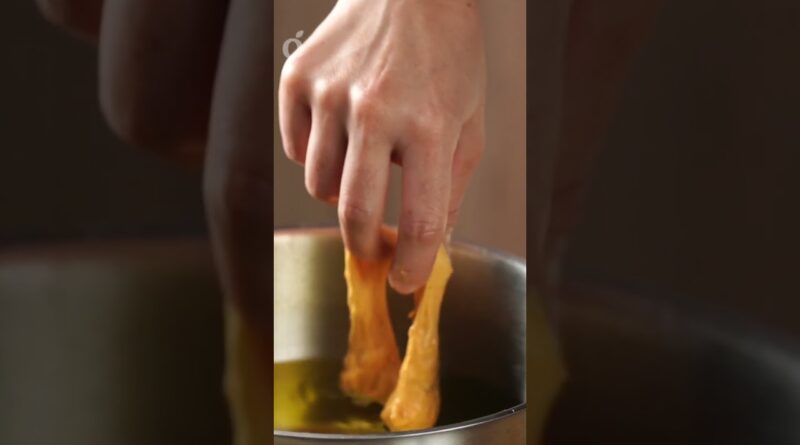
After fermentation, gently punch down the dough to release excess air. Prepare a deep frying pan or pot with enough vegetable oil heated to approximately 180°C (350°F). To shape the doughnuts, traditionally, picarones are formed into ring shapes. You can do this by taking a small portion of dough and shaping it with wet hands or using a spoon to drop dough rings directly into the hot oil.
Fry the picarones in batches, turning them occasionally to ensure even browning. They should be golden brown and cooked through, which usually takes about 3 to 5 minutes per batch. Once fried, place them on paper towels to absorb excess oil.
Preparing the Chancaca Syrup
The authentic touch to picarones is the chancaca syrup. To make it, melt raw brown sugar in a saucepan with water, cinnamon sticks, cloves, and sometimes orange peel. Let it simmer until it thickens into a rich, aromatic syrup. Strain the spices out before serving.
Drizzle the warm syrup generously over the fried doughnuts to enhance their flavor and provide a delightful sweetness with a hint of spice.
Tips for Perfect Peruvian Doughnuts
To achieve the best results when preparing these traditional sweet potato and squash doughnuts, consider the following tips:
- Use fresh, high-quality sweet potatoes and squash for the best natural sweetness.
- Be patient during fermentation; this step is key to light and fluffy picarones.
- Maintain consistent oil temperature to avoid greasy or undercooked doughnuts.
- Shape the dough evenly to ensure uniform cooking.
- Serve picarones hot with freshly made chancaca syrup for the authentic experience.
The Cultural Significance of This Peruvian Delight
Picarones are more than just a dessert; they are a symbol of Peruvian heritage and culinary creativity. Originating from a blend of indigenous ingredients and Spanish influences, this dish reflects the fusion that defines much of Peru’s gastronomy.
In Peru, picarones are commonly enjoyed at festivals, markets, and family gatherings, often accompanied by lively music and celebrations. They represent warmth, community, and the joy of sharing traditional flavors passed down through generations.
Where to Enjoy Authentic Picaron Flavors Outside Peru
Thanks to globalization and the growing popularity of Peruvian cuisine worldwide, you can find picarones in many Latin American restaurants and food festivals internationally. However, nothing compares to preparing them at home using a reliable guide or recipe in English, which allows you to appreciate the preparation process and the unique taste firsthand.
If you are a food enthusiast or someone eager to try new cultural dishes, making picarones at home is a rewarding experience. It connects you with Peru’s rich culinary history and gives you a delicious treat to share with friends and family.
Variations and Modern Twists on Traditional Picaron Recipes
While the classic picarones are beloved for their traditional ingredients and flavors, modern chefs and home cooks have experimented with various twists, including:
- Adding spices like nutmeg or ginger to the dough for extra warmth.
- Using alternative flours such as whole wheat or gluten-free blends.
- Incorporating sweet potato varieties with different colors for visual appeal.
- Pairing picarones with unconventional syrups, like chocolate or fruit-based sauces.
These variations showcase the versatility of this dessert and how it can adapt to contemporary tastes while preserving its essence.
Final Thoughts on Making Peruvian Sweet Potato and Squash Doughnuts
Exploring Peruvian cuisine through the preparation of traditional desserts like picarones offers a unique insight into the country’s culture and culinary artistry. Understanding how to make these sweet potato and squash doughnuts in English opens the door for many to enjoy and appreciate Peru’s rich food heritage.
By following the detailed steps, using authentic ingredients, and embracing the cultural context, anyone can master this delightful treat. Whether for a special occasion or a casual snack, picarones provide a warm, sweet, and satisfying experience that embodies the heart of Peruvian gastronomy.